Links Consultants

Author name: Bennett

How Content Creators Can Get a Freelance Permit in the UAE A Complete Step-by-Step Guide

How Content Creators Can Get a Freelance Permit in the UAE: A Complete Step-by-Step Guide

The UAE has become one of the most attractive places for content creators, influencers, videographers, designers, writers, podcasters, and digital marketers. With a growing creator economy, strong business infrastructure, and access to global brands, many freelancers now choose the UAE as their professional base. If you want to work legally as a content creator, a freelance permit in the UAE gives you the right structure to offer services, invoice clients, and apply for a residence visa. What Is a Freelance Permit in the UAE? A freelance permit is a legal authorization that allows an individual to work independently under approved professional activities. For content creators, this may include: Social media content creation, photography, videography, copywriting, blogging, influencer marketing, digital marketing, graphic design, podcasting, video editing, and creative consulting. Depending on the free zone or authority, the permit may also allow you to apply for a UAE residence visa. Step 1: Choose the Right Freelance Activity Before applying, define your exact service. This is important because your permit must match the work you plan to do. For example, if you create Instagram reels and brand videos, your activity may fall under content creation, media production, or social media services. If you write blogs or captions, copywriting or journalism-related activities may apply. Choosing the wrong activity can create issues when opening a bank account, signing contracts, or renewing your permit. Step 2: Select the Best Free Zone or Authority Many UAE free zones offer freelance permits for creative professionals. Popular options include: Dubai Media City, Dubai Internet City, Dubai Design District, twofour54 Abu Dhabi, RAKEZ, SHAMS, Fujairah Creative City, and Ajman Free Zone. Each option has different costs, activity lists, visa eligibility, and approval timelines. For content creators, media-focused free zones are often the most suitable because they understand creative business activities better. Step 3: Prepare the Required Documents Most freelance permit applications require: Passport copy, passport-size photo, UAE visa copy if already in the country, Emirates ID if available, updated CV or portfolio, educational certificate if required, and a No Objection Certificate if you are currently employed in the UAE. A portfolio is especially useful for content creators because it proves your professional experience. Step 4: Submit the Application Once your documents are ready, you can submit the application through the selected free zone or through a business setup consultant. The authority will review your activity, documents, and eligibility. If everything is correct, initial approval is usually issued within a few working days. Step 5: Pay the Permit Fees After approval, you must pay the freelance permit fee. The total cost depends on the authority, visa requirement, and package. In general, a UAE freelance permit can cost from around AED 7,500 to AED 20,000 or more per year. Visa, medical test, Emirates ID, and health insurance are usually separate costs. Step 6: Apply for a Residence Visa If your permit package includes visa eligibility, you can apply for a UAE freelance residence visa after the permit is issued. The visa process usually includes: Entry permit, medical fitness test, Emirates ID biometrics, health insurance, and residence visa approval. Once completed, you can legally live in the UAE and work as an independent content creator. Step 7: Open a Bank Account With your freelance permit and residence visa, you can apply for a personal or business bank account. Some freelancers use personal accounts, while others prefer business accounts for better credibility and client payments. Banks may ask for your permit, Emirates ID, passport, visa, invoices, contracts, or portfolio. Step 8: Start Working Legally with Brands and Clients Once your permit is active, you can: Invoice UAE and international clients, sign service agreements, work with brands, apply for creator collaborations, rent workspace if needed, and build your professional presence in the UAE. You should also keep proper records of income, expenses, invoices, and contracts for compliance. Do Content Creators Need Extra Approval? In some cases, yes. If you are working as an influencer and promoting paid brand content, you may need additional media-related approvals depending on your activity and platform use. If your content involves advertising, media production, or influencer marketing, check whether your selected free zone permit covers those activities or whether a separate media permit is required. Benefits of a UAE Freelance Permit for Content Creators A freelance permit gives creators several advantages: Legal permission to work independently, ability to invoice clients, eligibility for UAE residence visa, access to local and international brand deals, professional credibility, no need for a local sponsor, and flexibility to work with multiple clients. It also helps content creators move from informal freelancing to a structured, recognized business model. Final Thoughts Getting a freelance permit in the UAE is one of the best ways for content creators to work legally, build credibility, and access bigger opportunities. Whether you are a social media creator, photographer, writer, videographer, influencer, or digital consultant, the right permit can help you grow professionally while staying compliant. The key is to choose the correct activity, select the right free zone, prepare your documents carefully, and understand whether your content work requires any additional approval. With the right setup, content creators can turn their talent into a legal, scalable business in the UAE.

How Content Creators Can Get a Freelance Permit in the UAE: A Complete Step-by-Step Guide Read More »

UAE 2-Year Property Owner Visa Update: New Eligibility Rules Explained

UAE 2-Year Property Owner Visa Update: New Eligibility Rules Explained

The UAE continues to strengthen its position as one of the world’s most attractive destinations for real estate investors. In a recent development, updates to the UAE 2-Year Property Owner Visa have gained significant attention among foreign investors, expatriates, and property buyers looking for long-term residency opportunities in Dubai and other emirates. If you’re planning to invest in UAE real estate, understanding the latest eligibility rules is essential. Here’s a complete breakdown of the updated 2-year property visa requirements in the UAE and what they mean for investors in 2026. What Is the UAE Property Owner Visa? The Property Owner Visa is a residency visa issued to foreign nationals who invest in eligible real estate properties in the UAE. This visa allows property owners to: The visa is particularly popular among investors who want residency benefits without establishing a business. Latest Update: What Has Changed? The UAE authorities have refined certain eligibility and documentation requirements to improve transparency and strengthen investor confidence. The updated rules primarily focus on: These changes are designed to attract serious long-term investors while simplifying processes for legitimate property owners. Updated Eligibility Criteria for the 2-Year Property Visa Minimum Property Value Requirement To qualify, investors generally need to own property with a minimum value of: AED 750,000 or more The property can be: The valuation must usually be verified through official government channels or land department records. Can Mortgaged Properties Qualify? Yes—under updated guidelines, mortgaged properties may still qualify under certain conditions. Typically: This is a major advantage for investors financing property purchases through UAE banks. Joint Ownership Rules For jointly owned properties: Authorities may assess applications individually depending on ownership structure. Off-Plan Property Eligibility In some cases, off-plan properties may qualify if: However, completed and fully registered properties generally face smoother approval processes. Documents Required for Property Owner Visa Applicants typically need: Additional documents may be requested depending on the emirate and property type. Benefits of the UAE 2-Year Property Visa Residency Without Business Setup You can obtain UAE residency without opening a company or obtaining employment sponsorship. Family Sponsorship Eligible investors can sponsor: Easier Travel Access Residency simplifies travel in and out of the UAE and supports long-term stays. Banking & Financial Access Property visa holders can often access: Lifestyle & Security Investors gain access to one of the world’s safest and most modern living environments. Difference Between the 2-Year Visa and Golden Visa Feature 2-Year Property Visa 10-Year Golden Visa Minimum Investment Any property value Alone( AED 400,000 in partner) AED 2 million Visa Validity 2 Years 10 Years Renewal Required every 2 years Long-term Property Type Wider flexibility Higher-value investment The 2-year visa remains a strong option for mid-level investors entering the UAE market. Why UAE Property Investment Continues to Grow Dubai and the UAE remain highly attractive because of: These factors continue attracting investors from Europe, Asia, the UK, and beyond. Important Things Investors Should Know Before applying: Proper documentation is critical to avoid delays or rejection. Final Thoughts The updated UAE 2-Year Property Owner Visa rules make residency more accessible for genuine investors while strengthening the integrity of the program. With flexible options for mortgaged and jointly owned properties, the UAE continues positioning itself as a global hub for property investment and long-term residency. For investors seeking a stable lifestyle, strong returns, and access to one of the world’s most business-friendly environments, the UAE property visa remains one of the region’s most attractive opportunities in 2026.

UAE 2-Year Property Owner Visa Update: New Eligibility Rules Explained Read More »

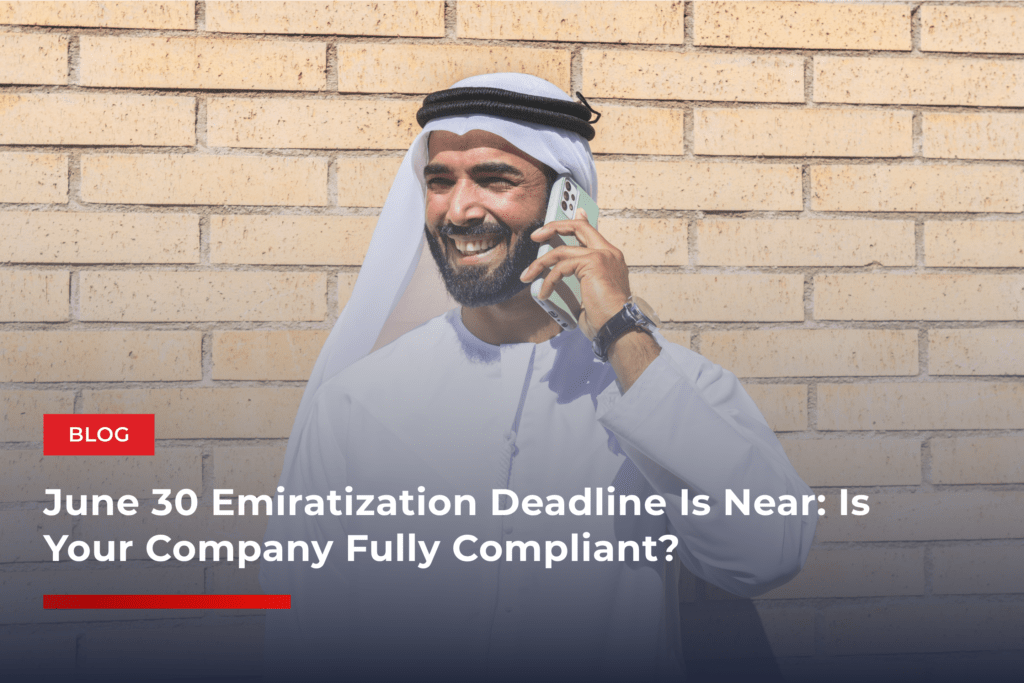
June 30 Emiratization Deadline Is Near Is Your Company Fully Compliant?

June 30 Emiratization Deadline Is Near: Is Your Company Fully Compliant?

As the UAE continues pushing forward with its national workforce development strategy, private sector companies are once again approaching a critical compliance milestone: the June 30 Emiratization deadline. For businesses operating in the UAE mainland, especially those with 50 or more employees, this date is more than just another regulatory checkpoint—it’s a major compliance requirement that can directly impact your operations, reputation, and financial standing. The question is simple: Is your company fully compliant? What Is the June 30 Emiratization Deadline? Under the UAE’s Emiratization regulations, mainland private sector companies with 50+ skilled employees are required to increase the number of Emirati employees in their workforce according to government-defined targets. By June 30, eligible companies must achieve the required mid-year Emiratization percentage increase or face financial penalties. This initiative is part of the UAE’s long-term national employment strategy designed to increase Emirati participation in the private sector and create sustainable career opportunities for UAE Nationals. Who Needs to Comply? The Emiratization rules generally apply to: Free zone companies are typically not subject to the same Emiratization quotas unless specified by their authority. What Happens if Your Company Misses the Deadline? The UAE government has significantly increased enforcement in recent years. Companies that fail to meet Emiratization targets may face: Financial Penalties Businesses can receive fines starting from approximately: Operational Restrictions Non-compliant companies may also face: Increased Audits & Investigations Authorities are actively monitoring businesses for: Recent enforcement actions show that the government is taking compliance very seriously. Common Emiratization Mistakes Businesses Make Many companies wait until the last minute or misunderstand what true compliance involves. Hiring Emiratis Only on Paper Authorities now conduct strict inspections and digital audits to identify fake employment structures. No Long-Term Retention Strategy Hiring Emirati employees without proper onboarding, training, or career development often leads to high turnover. Ignoring Nafis Opportunities Some companies fail to utilize the UAE’s Nafis program, which provides incentives and salary support for hiring Emiratis. Delayed Recruitment Planning Waiting too close to the deadline makes it harder to source qualified Emirati talent. How to Check If Your Company Is Compliant Here’s a quick compliance checklist: ✅ Have you achieved your required Emiratization percentage increase?✅ Are your Emirati employees actively working in genuine roles?✅ Are salaries processed correctly through WPS?✅ Is your company registered and updated on Nafis?✅ Are employment records and contracts fully compliant?✅ Are your HR and payroll systems aligned with MOHRE requirements? If the answer to any of these is unclear, your business may need immediate review. Proven Strategies to Meet Emiratization Targets 1. Start Recruitment Early The closer you get to June 30, the more competitive the Emirati hiring market becomes. 2. Use Specialized Emiratization Partners Working with experienced recruitment and HR outsourcing firms can speed up the hiring process and improve retention. 3. Build Genuine Career Opportunities Emirati candidates are looking for growth, training, and long-term career paths—not just temporary positions. 4. Leverage Nafis Support Nafis offers: These incentives significantly reduce hiring costs. 5. Conduct Internal Compliance Audits Review payroll, contracts, visa records, and employee activity before authorities do. Why Compliance Is More Than Just Avoiding Fines Companies that successfully embrace Emiratization benefit from: In today’s UAE market, Emiratization is becoming part of a company’s overall business credibility and sustainability strategy. How HR & Outsourcing Partners Can Help Professional HR outsourcing and workforce solutions providers can assist with: This allows businesses to remain focused on growth while ensuring compliance requirements are handled properly. Final Thoughts The June 30 Emiratization deadline is approaching quickly, and businesses that delay action risk financial penalties, operational disruption, and reputational damage. The UAE government’s message is clear: Emiratization is not optional—it is a long-term national priority. Companies that act early, hire strategically, and build genuine Emirati workforce integration will not only remain compliant but position themselves for stronger long-term growth in the UAE market. Now is the time to assess your workforce, review your compliance status, and ensure your company is fully prepared before the deadline arrives.

June 30 Emiratization Deadline Is Near: Is Your Company Fully Compliant? Read More »

The Rise of Online Businesses Why Digital Entrepreneurship Is Becoming the New Career Choice

The Rise of Online Businesses: Why Digital Entrepreneurship Is Becoming the New Career Choice

Over the last decade—and especially after global shifts toward remote work—digital entrepreneurship has moved from a niche concept to a mainstream career path. Today, more people are choosing to build online businesses instead of pursuing traditional 9-to-5 jobs. From freelancers and creators to startup founders and e-commerce owners, the digital economy is opening doors like never before. But what’s driving this shift, and why is it accelerating in 2026? What Is Digital Entrepreneurship? Digital entrepreneurship refers to starting and running a business online, using digital platforms, tools, and technologies. These businesses can include: Unlike traditional businesses, they often require lower investment, fewer physical resources, and offer global reach. 1. Low Barrier to Entry One of the biggest reasons for the rise of online businesses is the low startup cost. Today, someone can launch a business with just a laptop and internet connection—making digital entrepreneurship accessible to almost anyone. 2. Global Reach from Day One Traditional businesses are often limited by location. Online businesses, however, can reach customers worldwide instantly. This ability to scale globally is a major reason why entrepreneurs are choosing digital-first models. 3. Flexibility and Work-Life Balance Digital entrepreneurship offers freedom and flexibility that traditional jobs often cannot match: This lifestyle appeal has attracted professionals, freelancers, and even corporate employees transitioning to independent work. 4. Multiple Income Streams Online businesses make it easier to diversify income: This flexibility allows entrepreneurs to build multiple revenue streams, reducing financial risk. 5. Technology & Automation Advancements in technology have made running an online business easier than ever: These tools reduce manual effort and allow entrepreneurs to scale faster with fewer resources. 6. Growing Demand for Digital Services As businesses move online, the demand for digital services continues to grow: This creates endless opportunities for service-based digital entrepreneurs. 7. Rise of the Creator Economy The creator economy has transformed how people earn online. Platforms like YouTube, Instagram, and TikTok allow individuals to: Content creators are now full-fledged entrepreneurs, generating income through multiple channels. 8. Supportive Business Ecosystems Countries like the UAE are actively supporting digital entrepreneurship through: This makes it easier for entrepreneurs to legally operate and scale online businesses. Challenges of Digital Entrepreneurship While the opportunities are vast, there are also challenges: Success requires consistency, strategy, and the ability to evolve with trends. How to Get Started with an Online Business If you’re considering digital entrepreneurship, start with: Starting small and scaling gradually is often the best approach. Final Thoughts The rise of online businesses is not just a trend, it’s a transformation in how people work and build wealth. With low barriers to entry, global reach, and flexible working conditions, digital entrepreneurship is quickly becoming the career choice of the future. Whether you’re a student, professional, or aspiring entrepreneur, now is the perfect time to explore the opportunities in the digital economy.

The Rise of Online Businesses: Why Digital Entrepreneurship Is Becoming the New Career Choice Read More »

Top 10 Profitable Businesses to Start in the UAE in 2026 with Low Investment

Top 10 Profitable Businesses to Start in the UAE in 2026 with Low Investment

The UAE continues to be one of the most attractive destinations for entrepreneurs due to its business-friendly policies, tax advantages, and growing economy. In 2026, the opportunity to start a low-investment, high-profit business in the UAE is stronger than ever—especially with the rise of digital transformation and consumer demand. If you’re looking for profitable business ideas in the UAE, here are the top 10 options that require relatively low capital but offer strong growth potential. 1. E-commerce Business E-commerce remains one of the fastest-growing sectors in the UAE. Why it’s profitable: You can sell products via your own website or marketplaces like Amazon and Noon. 2. Digital Marketing Agency With businesses shifting online, digital marketing services are in high demand. Services you can offer: This is a skill-based business with minimal upfront investment. 3. Freelancing & Consultancy Freelancing is booming in the UAE, especially in free zones offering freelance permits. Popular niches: You can start solo and scale into a full agency. 4. Real Estate Brokerage Dubai’s real estate market continues to thrive. Why it works: You’ll need a license and certification, but initial costs can be moderate. 5. Dropshipping Business A subset of e-commerce, dropshipping eliminates inventory costs. Benefits: Perfect for beginners testing product ideas. 6. Cloud Kitchen / Home-Based Food Business Food delivery demand is booming in the UAE. Why it’s profitable: You can start small and scale into a restaurant brand. 7. Logistics & Delivery Services With e-commerce growth, logistics services are in high demand. Opportunities include: This business scales well as demand increases. 8. Cleaning Services Company A simple but highly profitable service-based business. Why it works: You can start with a small team and expand quickly. 9. IT & Tech Support Services Businesses rely heavily on technology, creating demand for IT support. Services include: This is a high-margin business with strong long-term demand. 10. Online Coaching & Training The rise of remote learning has made online education highly profitable. Examples: You can monetize your expertise with minimal investment. Cost of Starting a Low-Investment Business in UAE Expense Estimated Cost (AED) Trade License (Free Zone) 10,000 – 20,000 Flexi-desk / Workspace 8,000 – 15,000 Marketing, Branding & Website Setup 15,000 – 20,000 Many businesses can be launched for under AED 30,000. Tips to Choose the Right Business Final Thoughts The UAE offers endless opportunities for entrepreneurs in 2026. Whether you choose e-commerce, consulting, or service-based businesses, starting small with a low-investment model can lead to significant profits. With the right strategy, execution, and support, you can build a successful business in one of the world’s most dynamic economies.

Top 10 Profitable Businesses to Start in the UAE in 2026 with Low Investment Read More »

Starting a Business in Dubai During Uncertain Times Government Support, Tax Benefits & Safety

Starting a Business in Dubai During Uncertain Times: Government Support, Tax Benefits & Safety

In times of global uncertainty—economic slowdowns, geopolitical shifts, or market disruptions—entrepreneurs and investors become more cautious about where they start or expand their businesses. Yet, despite global challenges, Dubai continues to stand out as one of the safest and most stable business destinations in the world. With strong government backing, a favorable tax system, and a resilient economy, starting a business in Dubai during uncertain times is not just viable—it can be a strategic advantage. Why Dubai Remains Strong During Global Uncertainty Dubai’s ability to maintain economic stability during global turbulence is driven by: These factors ensure that businesses in Dubai are better protected against global disruptions compared to many other markets. 1. Strong Government Support for Businesses The UAE government has consistently introduced initiatives to support businesses—especially during uncertain periods. Key Support Measures: Entrepreneurs benefit from a system designed to encourage growth, not restrict it. 2. Attractive Tax Benefits One of the biggest advantages of setting up a business in Dubai is its tax-friendly environment: These tax benefits allow businesses to retain more profits, reinvest in growth, and stay financially resilient. 3. Safety, Stability & Investor Confidence Dubai is globally recognized for its: For entrepreneurs, this translates into a secure place to invest and operate, even during uncertain global conditions. 4. Fast & Flexible Business Setup Options Dubai offers multiple pathways for business setup, making it easier to adapt during uncertain times: Free Zones Mainland Offshore This flexibility allows entrepreneurs to choose a setup that fits their budget and risk level. 5. Access to Global Markets Dubai’s strategic location connects businesses to: Even during uncertain times, this connectivity ensures continuous business opportunities and supply chain stability. 6. Digital Transformation & Innovation Dubai has embraced digital transformation at every level: This digital ecosystem allows businesses to operate efficiently and adapt quickly to changing market conditions. 7. Access to a Skilled Global Workforce Dubai attracts talent from around the world, offering businesses access to: This ensures companies can build strong teams quickly, even in uncertain environments. 8. Cost Control & Scalability During uncertain times, managing costs is critical. Dubai offers: Entrepreneurs can start lean and scale as conditions improve. Key Considerations for Starting a Business in Uncertain Times While Dubai offers strong advantages, it’s important to: Proper planning ensures long-term success. Final Thoughts Uncertain times often create the best opportunities for those willing to act strategically. Dubai’s combination of government support, tax benefits, safety, and global connectivity makes it one of the most resilient business environments in the world. Whether you’re launching a startup or expanding an existing company, starting a business in Dubai during uncertain times can position you for long-term growth and success.

Starting a Business in Dubai During Uncertain Times: Government Support, Tax Benefits & Safety Read More »

Start an E-commerce Business in the UAE (2026) Low-Cost & Profitable Idea for New Entrepreneurs

Start an E-commerce Business in the UAE (2026): Low-Cost & Profitable Idea for New Entrepreneurs

The UAE is one of the fastest-growing e-commerce markets in the Middle East, making it an ideal destination for entrepreneurs looking to launch an online business. With high internet penetration, strong logistics infrastructure, and a tech-savvy population, starting an e-commerce business in the UAE in 2026 is not only affordable—but highly profitable. If you’re a new entrepreneur looking for a low-cost business idea in Dubai, this guide will walk you through everything you need to know. Why E-commerce Is Booming in the UAE E-commerce in the UAE continues to grow due to: From fashion and electronics to niche products and digital services, the opportunities are endless. Why E-commerce Is a Low-Cost Business Idea Compared to traditional businesses, e-commerce requires minimal investment: This makes it one of the best low-cost startup ideas in the UAE. Step-by-Step Guide to Start an E-commerce Business in UAE Step 1: Choose Your Business Model Before you begin, decide how your e-commerce business will operate: Choosing the right model will impact your setup cost and operations. Step 2: Select the Right Jurisdiction You can start your e-commerce business in: Free Zone (Recommended) Popular options: Mainland Step 3: Get an E-commerce License To operate legally, you need an e-commerce license in the UAE. Types include: This license allows you to: Step 4: Register Your Business & Trade Name Your business can be registered within 5–10 working days. Step 5: Build Your Online Store Your website is your digital storefront. You can use platforms like: Ensure your website includes: Step 6: Set Up Payment Gateway To accept payments, integrate with: These gateways support: Step 7: Partner with Logistics & Delivery Companies Reliable delivery is key to e-commerce success. Popular courier partners in the UAE include: You can also use fulfillment services for storage and delivery. Step 8: Launch Marketing & Sales Strategy To drive traffic and sales: Tips to Build a Profitable E-commerce Business Legal & Compliance Requirements Final Thoughts Starting an e-commerce business in the UAE in 2026 is one of the smartest and most cost-effective ways to enter the market. With the right strategy, tools, and execution, you can build a profitable online brand that scales across the region and beyond. Dubai’s digital ecosystem, logistics network, and business-friendly policies make it the perfect place for new entrepreneurs to succeed in e-commerce.

Start an E-commerce Business in the UAE (2026): Low-Cost & Profitable Idea for New Entrepreneurs Read More »

What Makes the UAE a Globally Resilient Business Destination

In an era marked by economic uncertainty, geopolitical shifts, and rapid technological change, businesses are constantly searching for stable environments to grow and scale. The United Arab Emirates (UAE) has emerged as one of the most resilient and future-ready business destinations in the world. From strong governance to economic diversification and digital transformation, the UAE continues to attract entrepreneurs, investors, and global enterprises. But what exactly makes it so resilient? 1. Strategic Global Positioning The UAE sits at the crossroads of Europe, Asia, and Africa, making it one of the most strategically located countries for global trade. Businesses operating in the UAE benefit from: This geographic advantage ensures that companies can adapt quickly to global market changes. 2. Diversified and Future-Focused Economy Unlike many oil-dependent economies, the UAE has successfully diversified into: This diversification reduces economic risk and ensures long-term stability, even during global downturns. 3. Business-Friendly Regulations The UAE government has implemented policies that make it easy for businesses to start, operate, and expand: These policies make business setup in UAE efficient and attractive for global entrepreneurs. 4. Strong Legal and Regulatory Framework The UAE provides a stable and transparent legal system that protects businesses and investors: This legal clarity builds confidence and trust among international businesses. 5. Political Stability and Safety One of the UAE’s biggest strengths is its political stability and low crime rate. Compared to many global markets, the UAE offers: This stability is a key reason why global companies choose the UAE as their regional headquarters. 6. Advanced Infrastructure and Digital Transformation The UAE is a global leader in infrastructure and smart city development: Dubai, in particular, is known for adopting cutting-edge technologies, making it ideal for startups and innovation-driven businesses. 7. Attractive Tax Environment The UAE offers one of the most competitive tax systems globally: This allows businesses and individuals to maximize profits and reinvest for growth. 8. Access to Global Talent The UAE’s open immigration policies attract professionals from around the world, creating a diverse and skilled workforce. Businesses benefit from: This diversity fuels innovation and enables companies to operate globally. 9. Strong Free Zone Ecosystem The UAE is home to over 40 free zones, each designed for specific industries. These zones offer: This ecosystem supports startups, SMEs, and multinational corporations alike. 10. Ability to Adapt to Global Changes The UAE has consistently demonstrated its ability to respond to global challenges: This adaptability ensures the UAE remains competitive in an ever-changing global landscape. Final Thoughts The UAE’s resilience is not accidental—it is the result of strategic planning, progressive policies, and continuous innovation. From its diversified economy to its business-friendly environment and global connectivity, the UAE offers everything businesses need to thrive. Whether you’re a startup, SME, or multinational corporation, choosing the UAE means positioning your business in a stable, future-ready, and globally connected ecosystem.

What Makes the UAE a Globally Resilient Business Destination Read More »

How Expats Can Easily Set Up a Company in the UAE

How Expats Can Easily Set Up a Company in the UAE

The United Arab Emirates (UAE) has become one of the most attractive destinations for expatriates looking to start a business. With 100% foreign ownership options, tax advantages, and a fast setup process, the UAE offers a business-friendly ecosystem that makes entrepreneurship accessible—even for first-time founders. If you’re an expat planning a business setup in the UAE, this guide will walk you through the easiest and most effective way to get started. Why Expats Choose the UAE for Business Expats from around the world are choosing the UAE because of: Cities like Dubai and Abu Dhabi are especially popular for new business setup in Dubai, offering flexibility across industries. Step 1: Choose the Right Business Structure The first step is selecting where and how you want to operate your business. Expats can choose from: Mainland Company Free Zone Company (Most Popular for Expats) Offshore Company For most expats, free zone company setup is the easiest and fastest option. Step 2: Select Your Business Activity You must define your business activity before applying for a license. Common activities include: Your chosen activity determines your license type and approvals. Step 3: Choose a Trade License The UAE offers different types of licenses: Free zones also offer freelance permits, making it easier for solo expats to start without large investments. Step 4: Reserve a Company Name Your business name must follow UAE guidelines: You can reserve your name through the relevant authority (free zone or mainland). Step 5: Submit Documents and Register Your Company Required documents typically include: Once submitted, your company can be registered within 5–10 working days in most cases. Step 6: Get Office Space or Flexi-Desk Depending on your setup: This step is necessary for license issuance and visa eligibility. Step 7: Open a Business Bank Account After receiving your trade license, you can open a corporate bank account. You’ll need: Banks like Emirates NBD, Mashreq, and WIO are commonly used by expats. Step 8: Apply for Residency Visa Once your company is active, you can apply for: The process includes medical tests, Emirates ID, and visa stamping. Tips to Make the Process Easier Final Thoughts Setting up a company in the UAE as an expat is easier than ever. With streamlined processes, flexible ownership rules, and strong government support, you can launch your business in just a few days. Whether you’re starting a consultancy, online business, or trading company, the UAE offers the perfect platform to grow globally. If you want a hassle-free experience, partnering with experienced business setup consultants in Dubai can help you navigate the process, save time, and ensure full compliance.

How Expats Can Easily Set Up a Company in the UAE Read More »

What Is the Visa Quota in Dubai? Complete 2026 Guide

If you’re planning to start or expand a business in the UAE, understanding the visa quota system in Dubai is essential. Whether you’re hiring employees, applying for investor visas, or scaling your team, the number of visas your company can obtain depends on several factors. This 2026 guide explains everything you need to know about Dubai visa quotas, how they are calculated, and how you can increase your eligibility. What Is a Visa Quota in Dubai? A visa quota refers to the maximum number of residence visas a company can sponsor under its trade license. These visas can include: The quota is determined by UAE authorities such as MOHRE (Ministry of Human Resources and Emiratisation) and immigration departments. Visa Quota in Mainland Dubai For mainland companies, visa quotas are primarily based on office space size and business activity. Key Factors: 1. Office Space (Ejari Requirement) 2. Business Activity Certain sectors (like construction, trading, or manufacturing) may receive higher quotas due to operational needs. 3. Company Category (MOHRE Classification) Companies are classified into categories based on compliance, Emiratization, and business type. Higher-rated companies may receive more flexibility. Visa Quota in Free Zones Free zones offer more flexibility when it comes to visa allocation. Common Free Zone Packages: Office Type Visa Quota Flexi-desk 1–3 visas Small Office 3–6 visas Medium Office 6–10 visas Large Office 10+ visas Each free zone (DMCC, IFZA, DSO, Dubai South, etc.) has its own policies. Good news: Some free zones allow you to increase visa quotas without physically expanding your office. Investor & Partner Visa Quota Business owners and partners can apply for: These visas are usually not restricted by office size but depend on: Dependent Visa Quota If you hold a valid UAE residence visa, you can sponsor: Requirements include: How to Increase Your Visa Quota in Dubai If your business is growing, you can expand your visa quota through: 1. Upgrading Office Space Increasing your office size directly increases your visa eligibility (especially for mainland companies). 2. Requesting Quota Increase Approval You can apply for additional visas through MOHRE or your free zone authority. 3. Maintaining Compliance Companies with strong compliance records (WPS, Emiratization, no fines) are more likely to receive higher quotas. 4. Partnering with EOR Providers Using Employer of Record (EOR) services allows you to hire employees beyond your direct visa quota. Important Rules & Considerations Cost of Visa in Dubai (2026 Estimates) Visa Type Estimated Cost (AED) Employment Visa 3,000 – 7,000 Investor Visa 4,000 – 8,000 Dependent Visa 2,500 – 5,000 Costs vary based on company type, free zone, and visa duration. Why Visa Quota Matters for Your Business Understanding your visa quota helps you: For startups and SMEs, choosing the right free zone package or office size can make a big difference in visa flexibility. Final Thoughts The visa quota system in Dubai is designed to ensure businesses operate within regulated limits while supporting growth. Whether you’re a startup with a flexi-desk or a large mainland company, knowing your quota allows you to scale efficiently and stay compliant. If you’re unsure about your eligibility or need to increase your quota, working with experienced business setup consultants or PRO service providers can help simplify the process and avoid delays.

What Is the Visa Quota in Dubai? Complete 2026 Guide Read More »

Scroll to Top